
5 Things to Expect During a Roof Replacement
The process of roof replacement can be daunting for homeowners. Understanding what to expect can help demystify the journey from start to finish. This article will walk you through the various stages and what to anticipate along the way. Every phase of the roof replacement project, from the preliminary consultation through to the final wrap-up, requires careful planning and decision-making. With the right information and a strategic approach, you can ensure a smooth and successful roof replacement endeavor.
1. Initial Consultation and Roof Assessment
The initial consultation and roof assessment are crucial steps in determining the scope of your roof replacement project. It begins by understanding your roofing needs, whether they involve aesthetic renewal, addressing leaks, or increasing energy efficiency. Scheduling a professional inspection is indispensable as a roofing expert can thoroughly assess the current condition of your roof. This inspection addresses both visible wear and potential hidden issues that might not be immediately apparent to a homeowner. The resulting assessment report informs your decisions and prioritizes what aspects need attention.
Understanding the assessment report equips you with vital knowledge about the current state and future needs of your roof. Details about current damage, potential future issues, and recommended materials are typically included in this report. At this stage, discussing material options with your contractor is essential. Choosing the right material impacts not only the cost but also the longevity and maintenance requirements of your new roof. According to The Roofer's Guild, a typical roof lasts between 25 and 50 years, so speak to your roofer to ensure you pick the best roof material for your home and climate.
Once you've discussed material options, you'll receive a detailed quote from your contractor. This quote must factor in potential contingencies, ensuring your budget can accommodate unforeseen repairs. Setting a realistic budget includes accounting for both expected expenses and a buffer for unexpected costs. A well-considered financial plan helps prevent future stress and keeps the project within your financial boundaries. With a defined budget in place, you're prepared to proceed with the planning and scheduling of the roof replacement.
2. Planning and Scheduling the Replacement
Choosing a reliable roofing contractor is a pivotal step in planning your roof replacement. A contractor's reputation, previous work, and customer reviews should influence your selection process. By evaluating these elements, you can ensure that your chosen contractor is not only trustworthy but also capable of delivering high-quality results. Once a contractor is selected, the next step involves finalizing the contract terms.
Contract terms should include detailed timelines, work specifications, and cost breakdowns. The contract must clearly outline the scope of work to avoid misunderstandings later. Setting a work start date is part of this process, requiring coordination between your schedule, the contractor's availability, and seasonal weather conditions. Aligning these elements is crucial to ensure the project commences without unnecessary delays.
Preparing for weather considerations is indispensable in planning a roof replacement, as weather can significantly impact timeline and safety. Clearly communicating the timeline to your family is essential to minimize inconvenience. By sharing specific start and end dates, you can coordinate household tasks and ensure everyone understands what to expect. This communication supports a smoother transition during construction and minimizes disruption to daily life.
3. The Roof Removal Process
The roof removal process marks the beginning of the physical transformation, requiring skill and precision. Breaking down the old roof involves carefully removing existing shingles or other materials without damaging the underlying structure. This phase is labor-intensive and requires protective measures such as tarps around your home to catch falling debris. Efficient handling of waste and disposal plays a key part in the project's smooth progression.
Handling waste and disposal involves collecting debris promptly and transporting it away from the site. Contractors may provide on-site dumpsters to collect and contain waste efficiently, reducing clutter and maintaining a tidy work environment. Once the old materials are cleared away, the underlying roof structure is inspected for integrity. This inspection determines any required repairs and ensures the new roof will be built on a solid foundation.
Addressing any discovered damage with thorough repairs guarantees the longevity and reliability of your new roof. Even minor issues such as water damage or rotted wood must be fixed to prevent future complications. Preparing for new installation follows the repair phase, ensuring surfaces are clean and prepped for the next steps. This phase sets the stage for the new roof, leading directly into the installation phase.
4. Installation of the New Roof
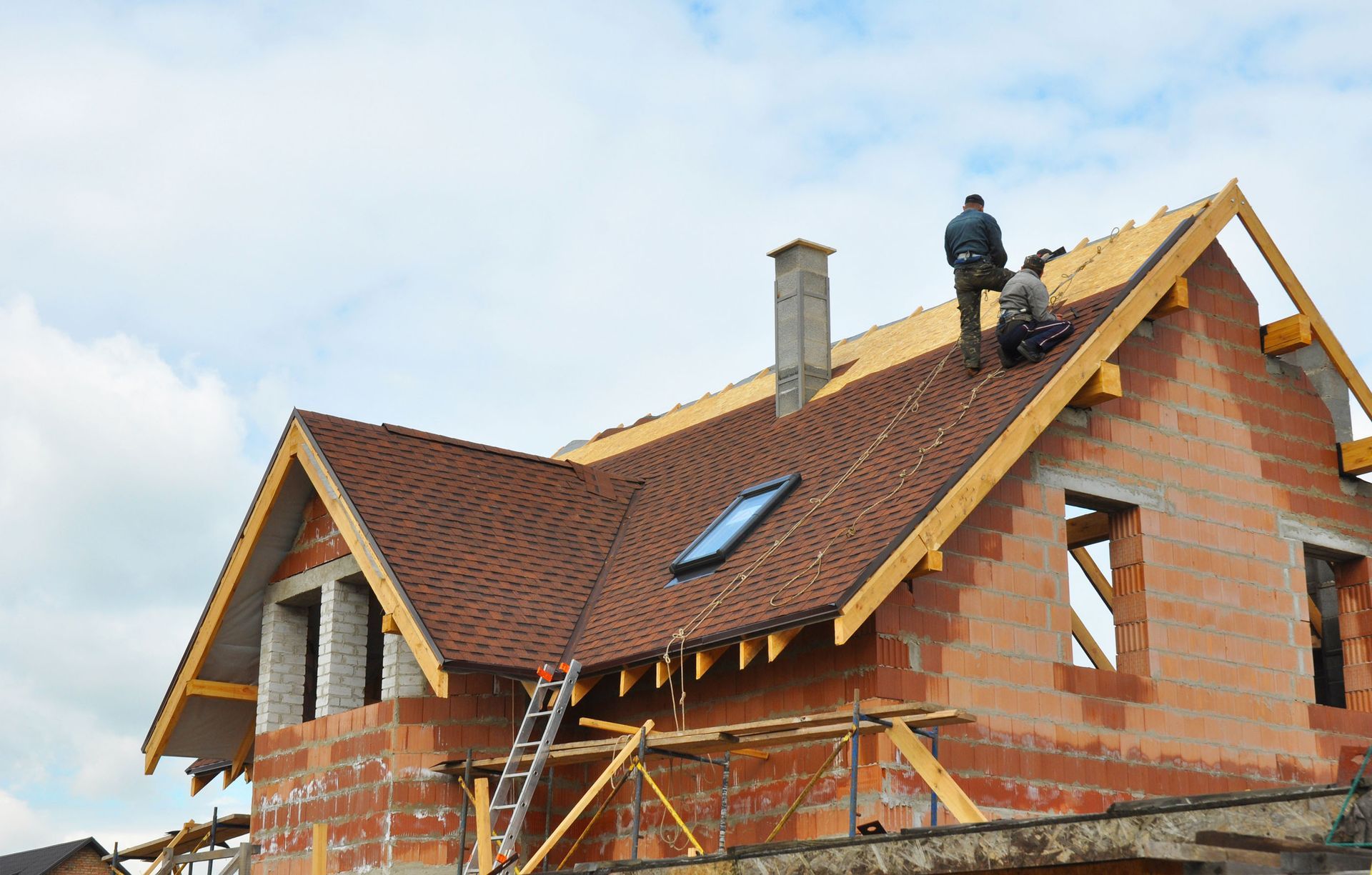
The installation of the new roof involves several key stages, starting with the underlayment. Installing underlayment creates a water-resistant barrier that is crucial for protecting your home from the elements. This phase requires precision to ensure that gaps or overlaps do not compromise its effectiveness. Laying down shingles or metal panels follows the successful installation of the underlayment.
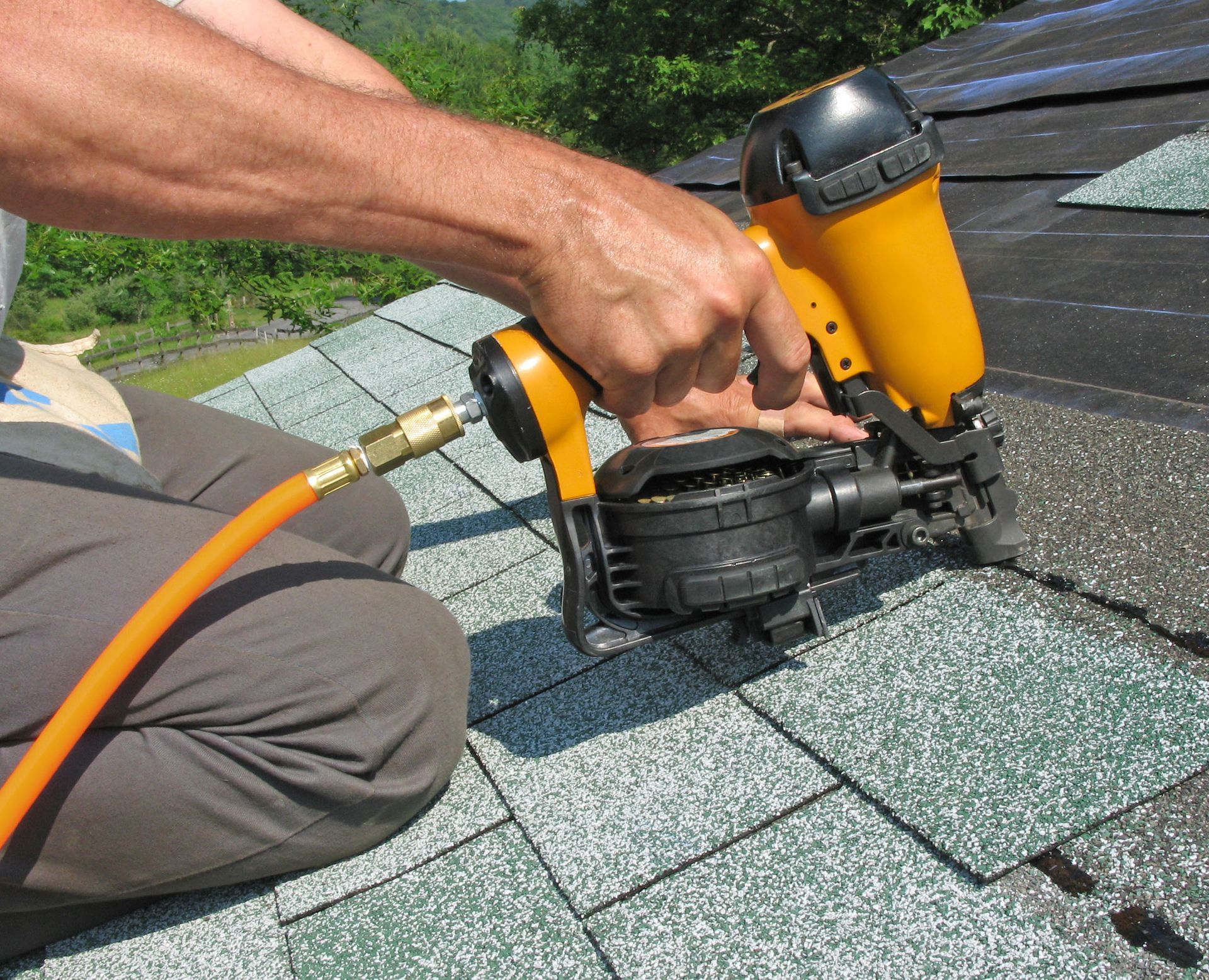
Laying down shingles or metal panels defines the visual appeal and functionality of your new roof. Expertise in proper alignment, fastening, and sealing is essential to prevent leaks and wind damage. Incorporating new roof features, such as skylights or solar panels, further customizes your roof's functionality and efficiency. Consulting your contractor on these options can enhance both your home's energy efficiency and aesthetic appeal.
Ensuring proper ventilation is another critical aspect of the roof replacement process. Good ventilation systems regulate temperature and moisture levels within the attic, prolonging the life of your roof. Performing quality checks on both materials and installation techniques ensures the new roof meets safety and performance standards. This not only protects your investment but also supports the warranty that accompanies your new roof.
5. Post-Installation and Final Wrap-up
Post-installation involves a final walkthrough and inspection, allowing you to review the finished product. This step offers an opportunity to address any immediate concerns with the contractor and confirm project completeness. Understanding the warranty provided on both materials and workmanship is important for future peace of mind. Thoroughly reading and clarifying warranty terms can save you from unexpected expenses down the road.
Cleaning up your property post-installation ensures your home is left in pristine condition. Contractors should remove any remaining debris and clean areas affected by construction. This final touch highlights professional service and concludes the replacement process positively. Discussing maintenance plans with your contractor helps maintain the new roof in peak condition.
Maintenance plans may include routine inspections, gutter cleaning, and minor repairs. Regular upkeep protects your roof from premature wear and extends its lifespan. Addressing any remaining concerns before finalizing the project ensures your satisfaction with the replacement process. Confidently facing the future with a new roof enhances your home's safety, value, and curb appeal.
While a roof replacement is a significant home improvement project, being well-informed can ease anxiety and foster a seamless experience. With a strategic approach in both preparation and execution, you can ensure your new roof provides safety and value for many years to come. From the initial consultations to the wrap-up, understanding each phase allows you to make informed decisions and enjoy the peace of mind a new roof brings. Here at AKR Builders Inc, we serve Greensboro, NC and the surrounding communities with high-quality roofing services. If you need a roof replacement, contact our fully licensed and insured team! We are eager to work with you soon.
Share On: